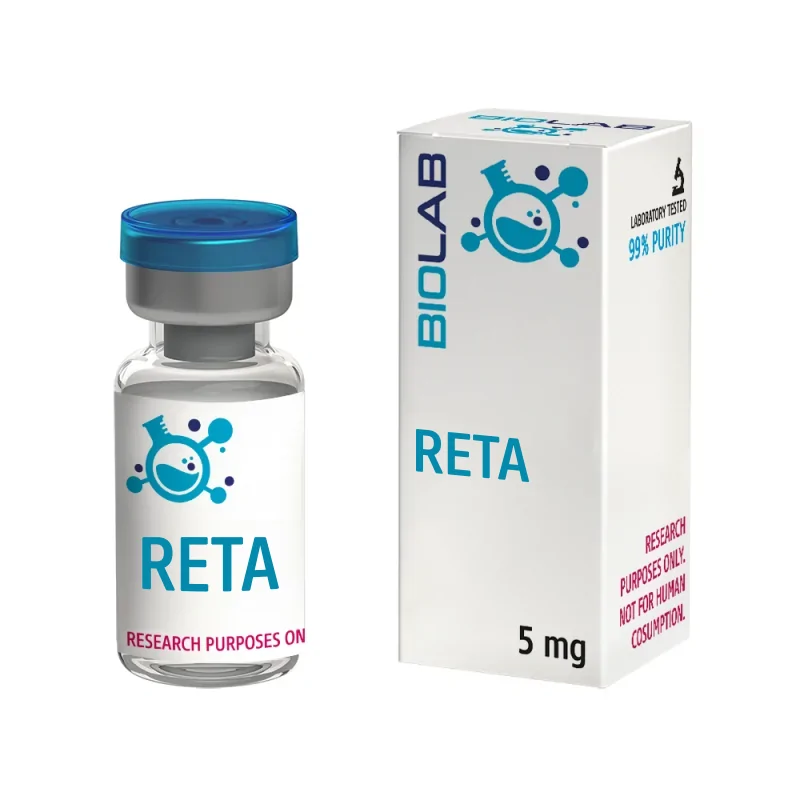
Buy Retatrutide 5mg in the UK: UK Research Overview and Emerging Weight Loss Science
Retatrutide 5mg is gaining attention within metabolic and obesity research communities as a next-generation investigational peptide. While still undergoing clinical trials, Retatrutide 5mg is being studied for its potential role in weight management, metabolic regulation, and glucose control. In the UK, interest in innovative obesity treatments continues to grow as healthcare systems search for more effective long-term strategies.
This educational guide explains what Retatrutide 5mg is, how it works, its current regulatory status in the UK, and why it is considered a significant development in metabolic research.
What Is Retatrutide 5mg?
Retatrutide 5mg is an investigational peptide designed to activate three hormone receptors involved in metabolism:
-
GLP-1 (Glucagon-Like Peptide-1)
-
GIP (Glucose-Dependent Insulinotropic Polypeptide)
-
Glucagon receptor
Because it stimulates all three pathways, Retatrutide 5mg is known as a triple-agonist therapy. This multi-target approach differentiates it from earlier GLP-1-only medications.
Researchers are currently evaluating Retatrutide 5mg for its potential effects on:
-
Appetite regulation
-
Body weight reduction
-
Energy expenditure
-
Blood glucose levels
It is important to note that Retatrutide 5mg remains under clinical investigation and is not yet approved for general prescription use in the UK.
How Retatrutide 5mg Works
The innovation behind Retatrutide 5mg lies in its ability to influence three metabolic systems simultaneously.
GLP-1 Receptor Activation
GLP-1 plays a role in appetite suppression and insulin release. By stimulating this pathway, Retatrutide 5mg may contribute to reduced hunger signals and improved glycaemic control.
GIP Receptor Activation
GIP works alongside GLP-1 to support insulin regulation and metabolic balance. The inclusion of GIP activation may enhance overall metabolic efficiency.
Glucagon Receptor Activation
Glucagon receptor stimulation is associated with increased energy expenditure. Researchers believe this mechanism may support fat metabolism and improve weight loss outcomes compared to single-pathway therapies.
By combining these three actions, Retatrutide 5mg represents a more comprehensive metabolic research strategy.
Retatrutide 5mg and Obesity Research in the UK
Obesity remains a major public health challenge in the UK. According to NHS data, excess weight contributes to increased risk of cardiovascular disease, type 2 diabetes, and other chronic conditions. As a result, UK medical research is actively exploring advanced metabolic therapies.
Retatrutide 5mg has drawn attention within UK endocrinology and obesity research forums because early international clinical trial results have demonstrated significant weight reduction in study participants. While longer-term data is still being collected, researchers are closely evaluating its safety and effectiveness.
Within the UK, Retatrutide 5mg is primarily discussed in:
-
Clinical research publications
-
Endocrinology conferences
-
Academic medical institutions
-
Regulatory discussions regarding future treatment approvals
Clinical Trial Insights
Early and mid-phase trials involving Retatrutide 5mg have assessed safety, tolerability, and metabolic impact. Findings released so far indicate:
-
Meaningful reductions in average body weight
-
Improvements in metabolic markers
-
Side effects similar to other incretin-based therapies
Reported side effects in clinical settings have included gastrointestinal symptoms such as nausea or mild digestive discomfort. These effects appear consistent with other GLP-1 related compounds.
Further large-scale trials are required before full regulatory decisions are made in the UK.
Is Retatrutide 5mg Approved in the UK?
At present, Retatrutide 5mg has not received approval from the UK Medicines and Healthcare products Regulatory Agency (MHRA). It remains in clinical development.
Before any new medication is licensed in the UK, it must undergo extensive testing for:
-
Safety
-
Efficacy
-
Long-term risk assessment
-
Quality control
Until formal approval is granted, it should be regarded strictly as an investigational compound.
Individuals seeking medical advice for weight management should consult a qualified UK healthcare professional and rely on approved treatment options.
Safety and Research Considerations
As with other incretin-based therapies, researchers continue to evaluate the safety profile of it. Areas of ongoing investigation include:
-
Cardiovascular outcomes
-
Long-term metabolic impact
-
Dose-response relationships
-
Tolerability across different patient groups
Clinical trials are designed to ensure careful monitoring of participants under regulated conditions. Self-administration outside of approved medical frameworks is not recommended.
Why Retatrutide 5mg Is Generating Interest in the UK
There are several reasons why it’s considered a promising development in obesity science:
-
Triple-hormone mechanism – Targets multiple metabolic pathways simultaneously.
-
Potential for enhanced weight reduction compared to earlier therapies.
-
Advancement in peptide science within metabolic research.
-
Relevance to UK public health priorities addressing obesity rates.
As obesity continues to affect millions of adults across the UK, innovative treatments remain a high priority for researchers and healthcare policymakers.
The Future of Retatrutide 5mg in the UK
The future role of it will depend on ongoing clinical trial outcomes and regulatory review. If approved, it could represent a significant advancement in metabolic therapy.
However, until comprehensive safety and efficacy data are finalised, it remains part of the research landscape rather than routine clinical practice.
UK readers interested in developments should monitor official clinical trial registries and MHRA updates for the most accurate information.
Final Thoughts
It stands out as a next-generation investigational peptide designed to address obesity through a triple-agonist approach. By targeting GLP-1, GIP, and glucagon receptors, it offers a broader metabolic strategy than earlier therapies.
Although not yet approved in the UK, it continues to generate strong interest within scientific and medical communities. Ongoing research will determine its long-term safety, effectiveness, and potential role in future obesity treatment frameworks.
For now, individuals should seek professional medical advice for approved and regulated treatment options available within the UK healthcare system.




Reviews
There are no reviews yet.